

Speculation is mounting that Microsoft will show off the Windows Mobile 7 operating system at a wireless industry conference in Barcelona next week. Customers have waited through a series of delays and setbacks, but if those predictions turn out to be true, it could help to generate some renewed excitement over the waning mobile platform.

The Windows Mobile 7 platform is rumored to have an interface based in large part on the Zune HD which has received a fair amount of praise. There are also rumors that Microsoft is forking its business mobile platform and its consumer offering with the addition of a platform based more on social networking and aimed at a teen audience.
Microsoft did develop an interim mobile platform--Windows Mobile 6.5-- to add some incremental improvements over Windows Mobile 6, but compared with platforms like Android and iPhone, Windows Mobile is lacking and Microsoft has seen its lack of progress reflected in declining market share.
On the other hand, Microsoft is still in third place for smartphone platforms in the United States. It is behind RIM and Apple, but at 18 percent of the market it is solidly ahead of Palm and Google. It has dropped out of second place, and lost a percent of market share over the last quarter, but if any of the other platforms (with the possible exception of the iPhone) were to experience the delays and setbacks that Microsoft has encountered, the market share drop would be much more dramatic.
The relatively small decline in market share for Windows Mobile can be attributed in large part to attrition and impatience. As business professionals lose or break older Windows Mobile devices, or contracts expire and they switch wireless providers, they are forced to choose a new smartphone and the current Windows Mobile does not offer a very compelling platform compared with iPhone and Android.
I personally represent that group. I held out as long as I could--even falling back on an older feature phone for months--waiting patiently for a new Windows Mobile. I didn't find Windows Mobile 6.5 to be enough of an incentive, but I needed a smartphone and couldn't continue holding out for Windows Mobile 7. So, now I have an iPhone...for now.
The fact is, barring an announcement that it is simply throwing in the towel and giving up on the mobile operating system altogether, Microsoft still has an audience anxiously waiting to see what it will deliver. Even in third place, Microsoft is easily within striking distance to reclaim second place from Apple, and it could pose a challenge even to RIM's BlackBerry dominance if Windows Mobile 7 can live up to expectations.
While Microsoft has struggled with its mobile operating system, it still occupies a dominant stake of the server operating system, desktop operating system, business productivity software, messaging, and Web browser markets. Bells and whistles aside, it's hard to argue with the potential of a smartphone platform that can seamlessly tie in with the platforms and tools that businesses rely on.
RIM, Apple, Palm, and now Google, all recognize and respect Microsoft's presence in the enterprise. These other mobile platforms realize that integration with Microsoft backend tools--particularly Exchange Server--is imperative to success in the enterprise. No matter how hard they try, though, the solutions are often clumsy or cumbersome, and have a sort of "square peg in the round hole" feel to them.
The core appeal of a Microsoft mobile operating system is the inclusion of native tools that naturally integrate with the existing server, desktop, and office productivity environment. Windows Mobile is uniquely suited to deliver a seamless and familiar experience for business professionals.
Expecting Microsoft to introduce unique innovations or raise the bar in any way for mobile operating systems is probably a recipe for disappointment. Assuming that Microsoft can at least improve Windows Mobile to the point that Windows Phones are more or less on par with next-generation smartphones like the iPhone or Droid will be enough, though, for Microsoft to get the ship pointed in the right direction and begin to reclaim some of its lost mobile platform market share.
Microsoft has a built-in audience and the game is Microsoft's to lose.


 We’ve not heard much about Microsoft’s MyPhone cloud backup service since the company confirmed the service details shortly after the Windows Mobile 6.5 launch, but it seems the team responsible are hard at work on v2.0. According to a recently posted job advert, calling for testers in the Windows Mobile software engineering team, Microsoft are elbow-deep in MyPhone 2.0 which will form part of “the next release of Windows Mobile”.
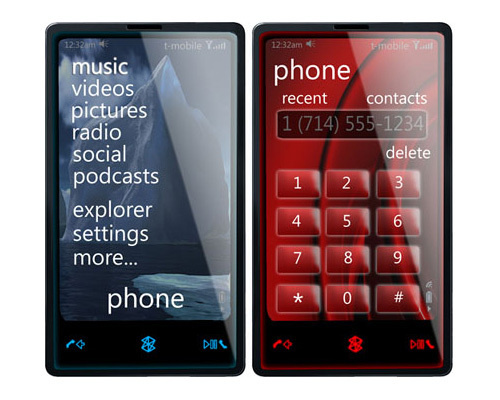 The rumors of a Zune phone have been bandied back and forth around the web since the iPhone launched years ago. It’s hard to believe that after all this time Microsoft still hasn’t rolled out a Zune Phone. A new rumor is circulating that claims the Zune Phone will hit this month.


 Alright, this is some wild, heavy stuff, but the folks at WMExperts have compiled what they believe to be true about Windows Mobile 7, including a whole bunch of previously undisclosed info and even a couple of flagship phones. We can't vouch for the rumors, but there's a ring of truth to plenty of it, and most of the rest of it we want to be true. First off, Microsoft is approaching the revision with two flavors: Windows Phone Seven Business Edition, and Windows Phone Seven Media Edition. The former is a stripped down OS that will allow OEM overlays like HTC's Sense UI, and includes lower minimum specs -- though a WVGA "minimum" is nothing to get angry about. Meanwhile, it sounds like the Media Edition is the quasi-"Zune Phone" we've been dreaming of, with a heavy emphasis on HD media playback and capture, along with social networking activities like Xbox Live, Facebook and Twitter. Other features include cloud-style services on the Business Edition side for live manipulation of stored data, a long with a location-aware platform dubbed "Orion."


 Check it: LG just mentioned that Windows Mobile 7 will be in handsets this year. This would be the most official recent affirmation we've seen from any top-tier company of the 2010 date -- but no, they're not showing any hardware running it here, so it remains more of a magical, world peace-creating concept than an actual product. The wait, it seems, continues -- but at least we're feeling a little better about setting the countdown clock.

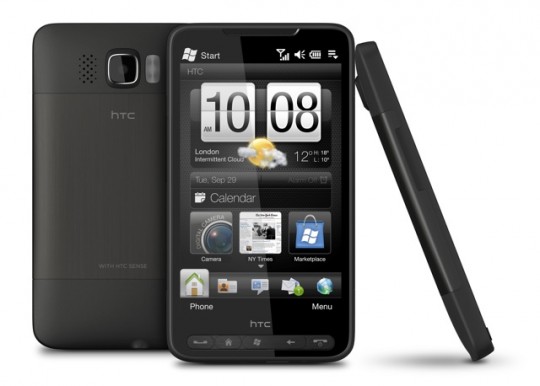 Pinch of salt time, but msmobiles have heard from an unnamed source that HTC are planning to offer an official Windows Mobile 7 upgrade for the HTC HD2 as soon as Microsoft formally announce the new smartphone platform. The site is declining to reveal who their source is, and HTC have never confirmed that they plan to bring the HD2 up to speed with WM7, which is expected to arrive near the end of 2010.